March 25, 2026
Fowlmere is a small reserve just north of Royston and not far from the RSPB headquarters at The Lodge. It is probably the furthest south of the reserves we visit apart from Rainham Marshes down by the M25 bridge and tunnel at Dartford, which we haven’t visited for some time.
Fowlmere is probably at its best in spring when warblers and other migrants are arriving. On the day of our visit, the weather was rather cold and so the birds we were hoping for were either not arrived or not singing. A few weeks later with a sunny day would have been better.
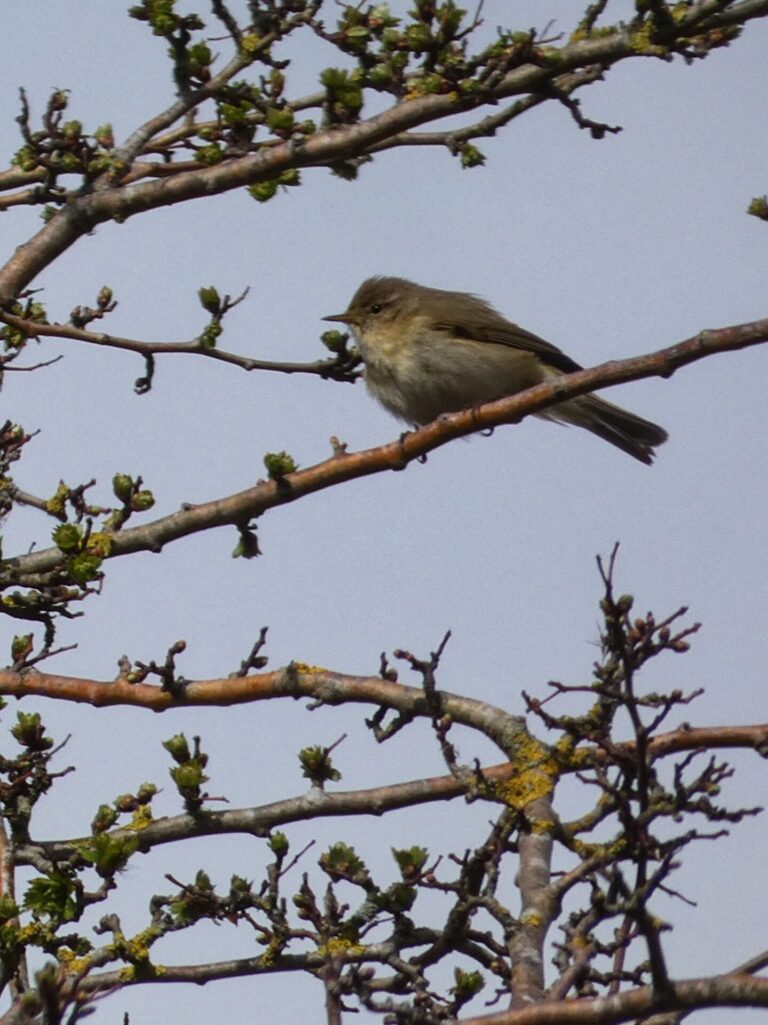
However, the group pressed on and we were soon greeted by the song of a Chiffchaff. At the information hut we turned left and took the board walk along the edge of the reed bed. It was quiet there with just the occasional call of a Moorhen but round the corner at the waterside hide we found a Song Thrush, a Wren and a Chaffinch.
In the hide we waited patiently for a Kingfisher but alas they were in short supply so we made do with three Mallards and a couple of Moorhen.
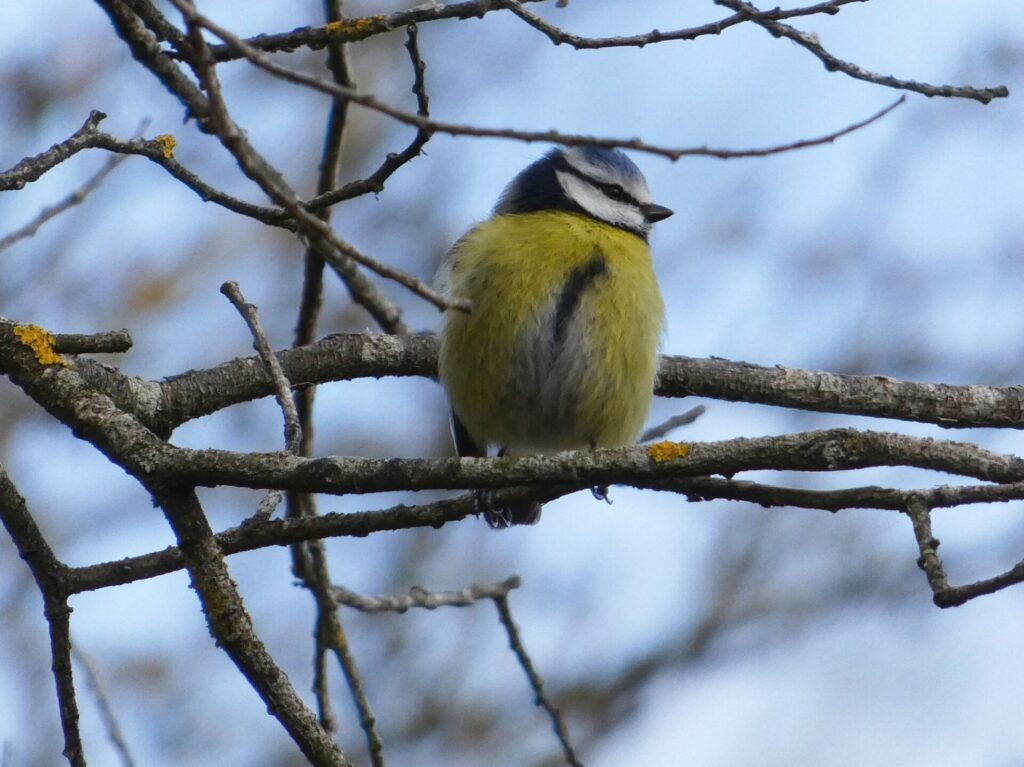
Moving down the trail towards the Tower Hide we passed under some overarching trees, probably Sycamores and Alders. The canopies of these were more interesting with numerous small birds feeding together. Along with Blue Tits, Great Tits, Long-tailed Tits and Coal Tits were Siskin and at least one Redpoll. We stayed watching these for some time until the speed of their activity and the angle we had to crank our heads back to see them above us started to tell and with stiff necks we moved on to the Tower Hide.
The lake was fairly quiet apart from a pair of Greylag Geese and a handful of Moorhens, Coot and Mallards. Crows and a possible distant Marsh Harrier were also seen. There was no activity around the owl box.
Re-tracing our steps we walked to the spring that feeds the freshwater stream that is such a charming feature of Fowlmere. A couple of our group spotted brown trout and we met a man who was eagerly watching for bank voles but he didn’t find any while we were there.
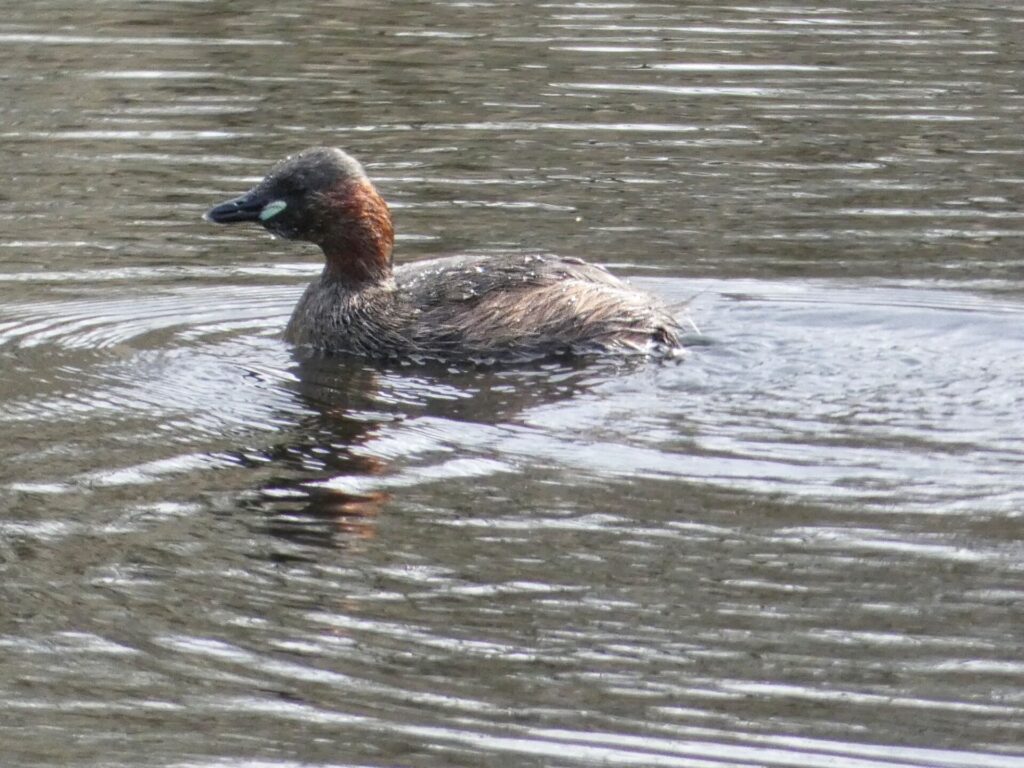
At the last hide we found a Little Grebe aka Dabchick. These are very active small diving waterfowl whose young have redheads when newly hatched. Another month and there might be some to see.
Outside the hide, a Chiffchaff was continuously singing and was joined by a Song Thrush and a Blackcap.
Our visit had treated us to some of the early spring song birds. We should soon have some sunnier days when they will crank up their singing and display behaviour. Choose the right day and this is the best time of the year for birdwatching.
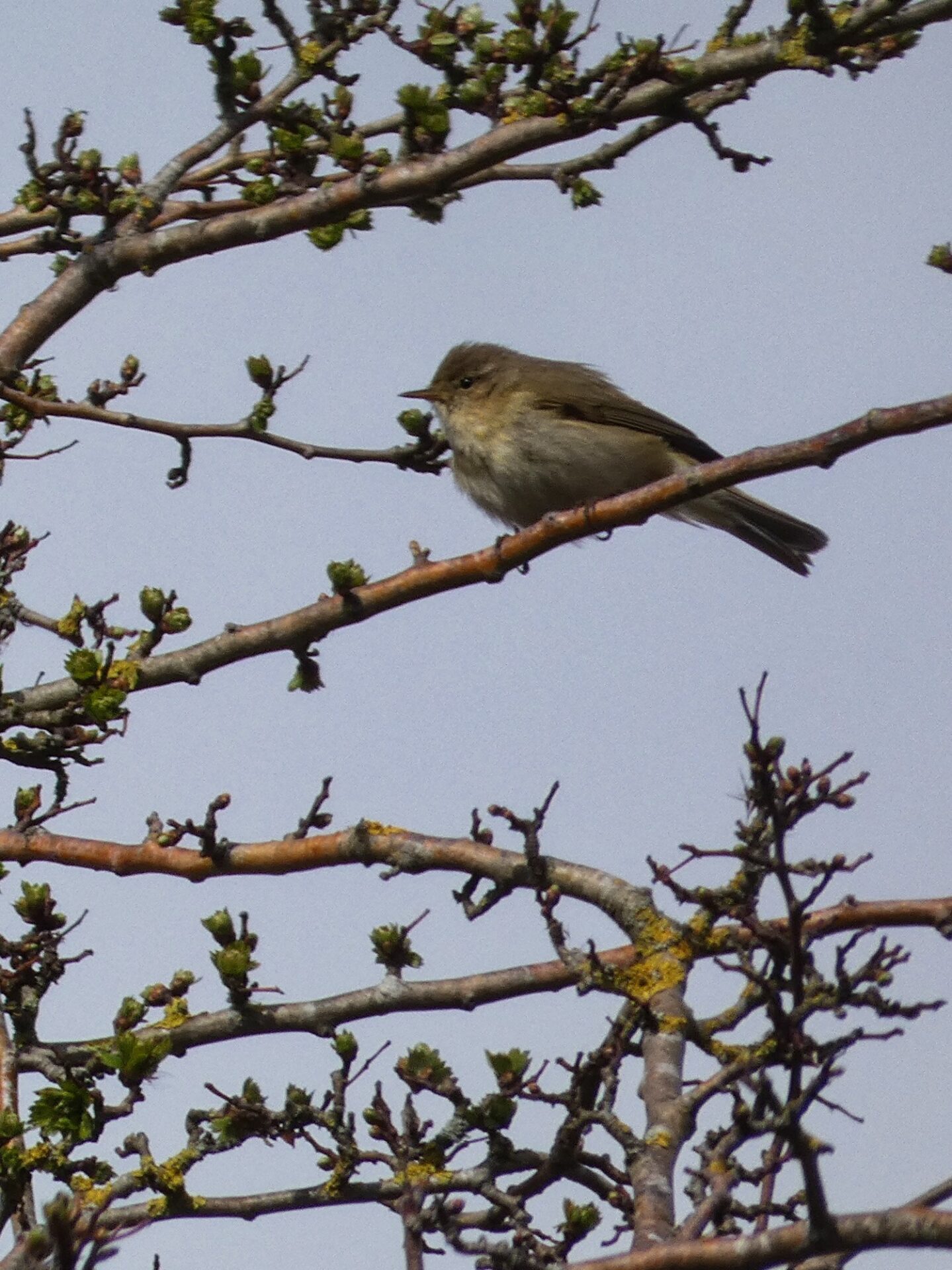
Chiffchaff 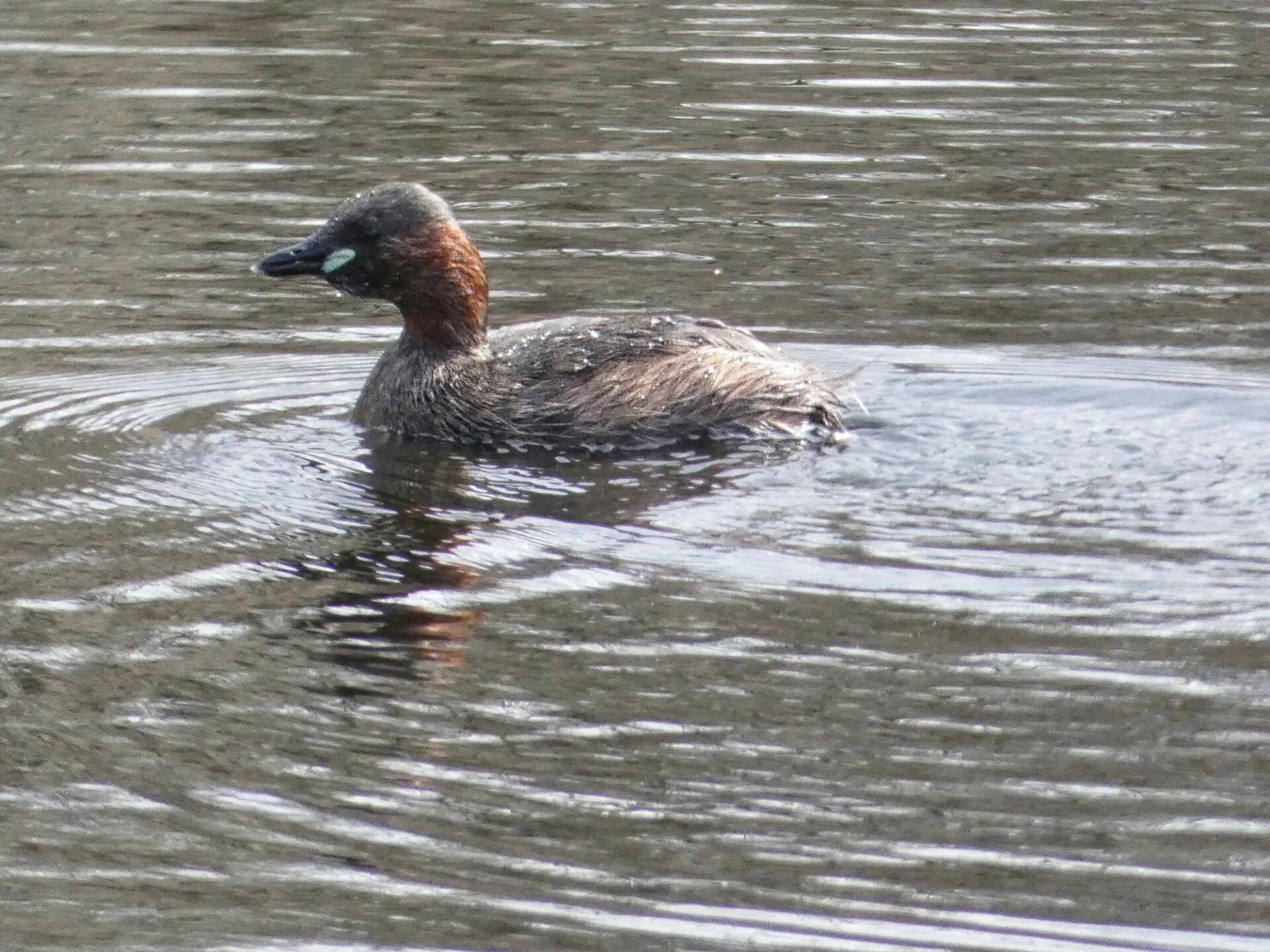
Little Grebe 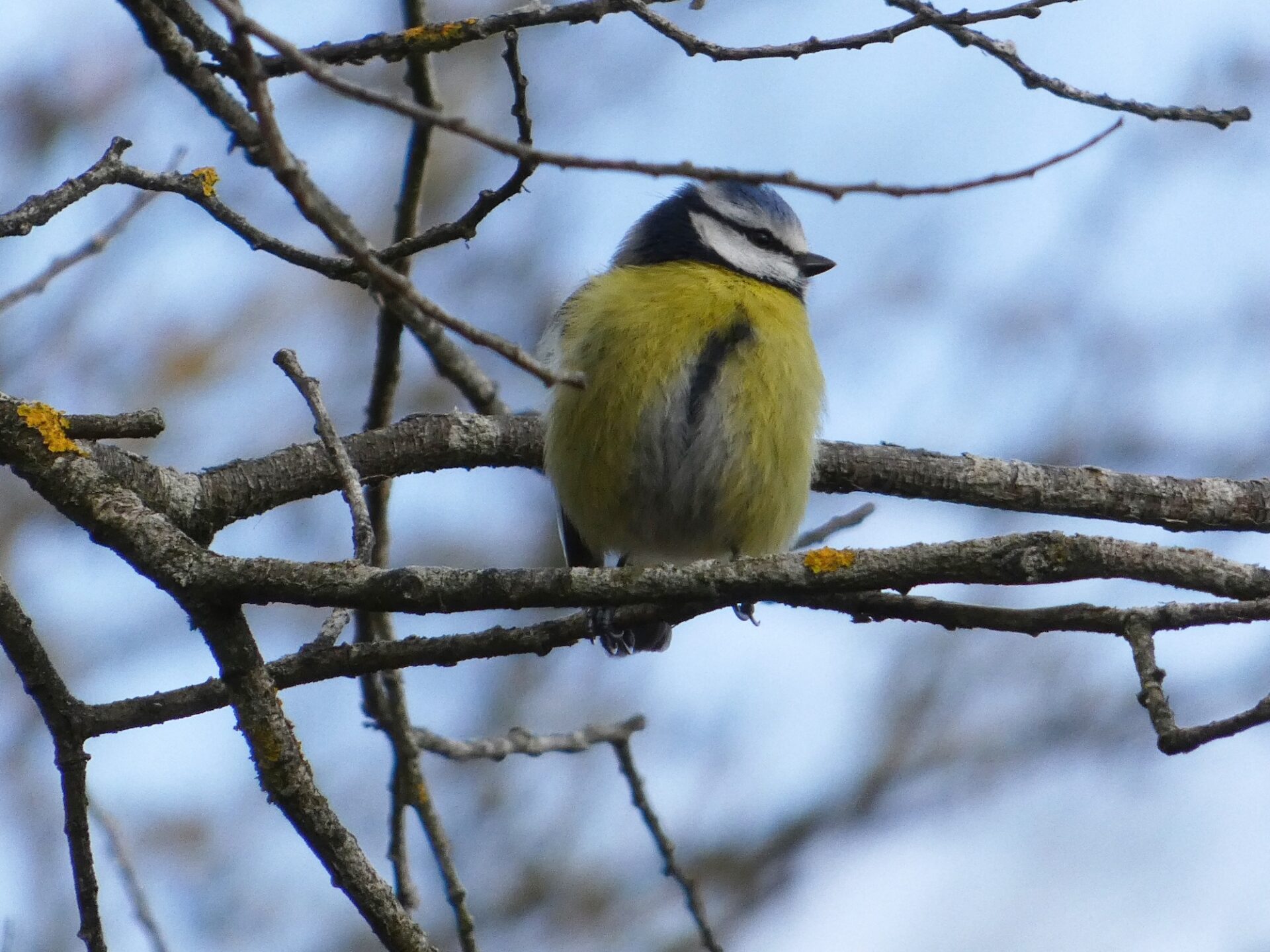
Blue tit 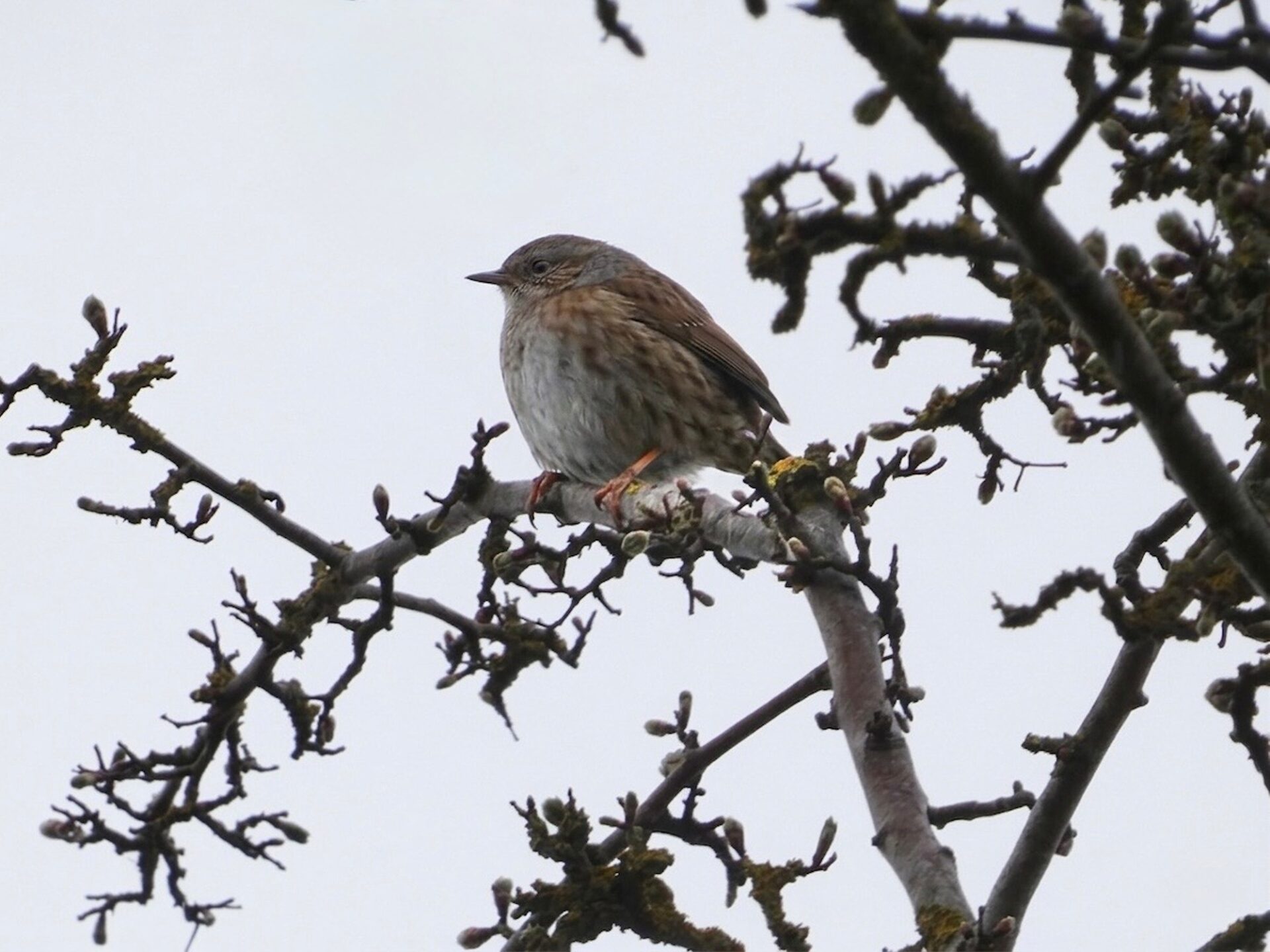
Dunnock