December 17, 2025
Nine members decided that visiting Welney was more important or them than Christmas shopping although some who shall remain nameless found parties to go to!
Water levels are always an issue at Welney and in the past we’ve had everything from full floods and no land or vegetation visible from the main hide to low water at the other extreme. This visit had plenty of water but some reeds and strips of solid ground showing although to be honest waders would have preferred more exposed mud.
From the main observatory, the view was almost entirely male Pochards but once you got your eye in there were in fact a few females and even a hybrid Pochard/Ferruginous cross. The British Waterfowl Association says that drake Pochards are hardier than ducks. The ducks overwinter further south than the drakes often on mediterranean coasts such as Spain. In summer the population moves North East to mainland Europe where they breed. Global warming is affecting the migration patterns such that some drake Pochard that might have overwintered in the UK now stop in the Netherlands.


But it wasn’t all about Pochards. There were also Tufty Ducks, Mallard, Teal, Shoveller, Pintail, Wigeon and a few Gadwall. Greylag geese and a few Canada geese were present as were Mute and Whooper swans. Bewicks are much harder to find these days but may occasionally be found in small numbers at Welney but more often in the fields in surrounding areas where they feed on the remains of the sugar beet after it has been harvested.
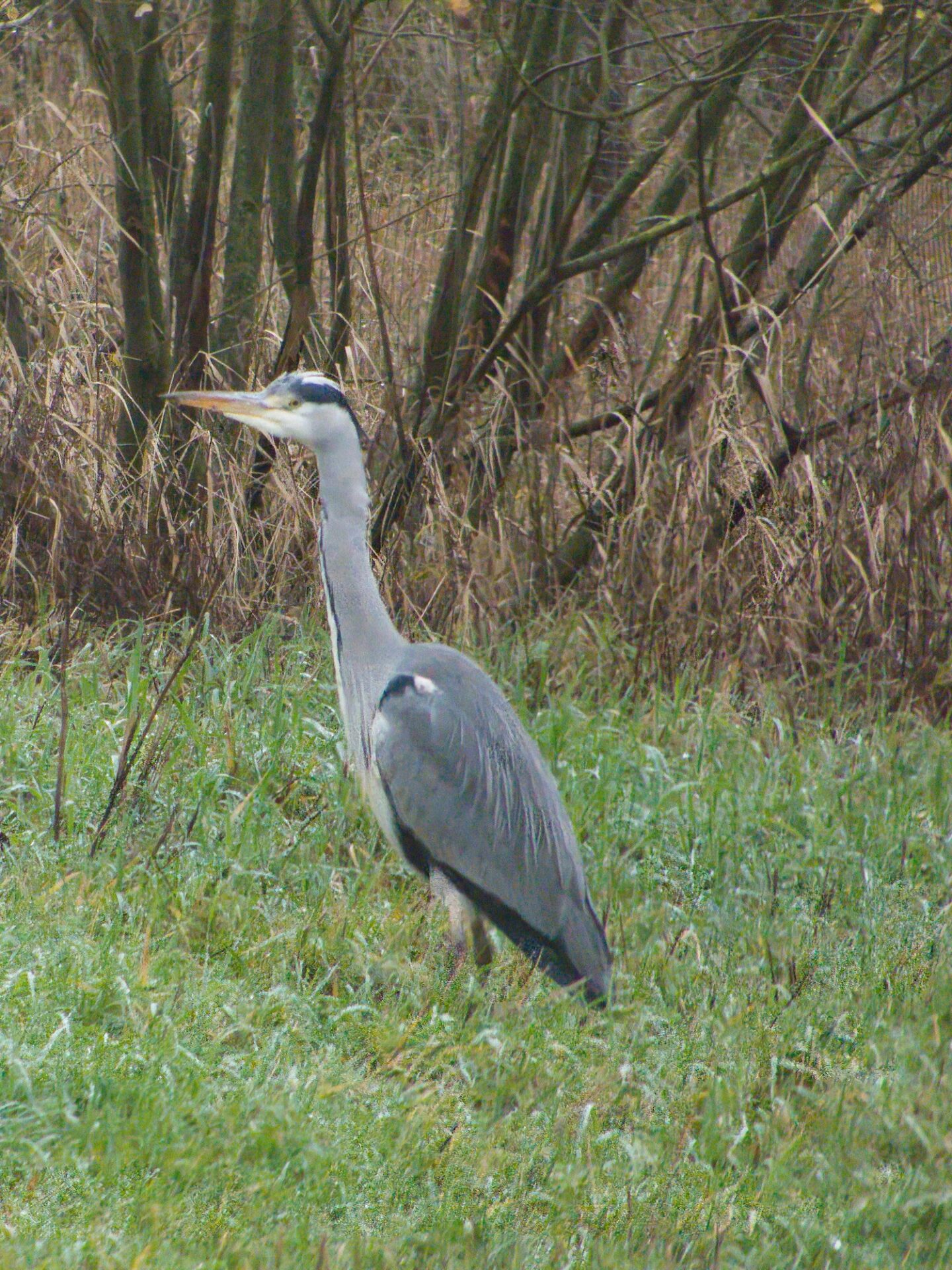
A few Grey heron were seen as were Coot and Moorhen. A female Marsh Harrier was present for a while but birds of prey generally were not seen.
Waders were also scarce apart from Lapwing which were present in good numbers. A lone Ruff was an early sighting and a small flock of Black-tailed godwits was in amongst the ducks and geese.
Wigeon were seen in good numbers and were heard whistling from time to time. One winter duck that might have been expected was Goldeneye but we didn’t find any on this trip.
There was one caramel/straw coloured Mallard probably a rewilded farmyard bird which was very noticeable amongst the standard plumage neighbours.
Later in the day Cattle Egret were seen from the Visitor Centre as were Tree Sparrows and House Sparrows on the grain feeders.
Welney is always a reliable place to see wetland birds and today’s visit although a bit bleak stayed dry and was enjoyable.

Shelduck 
Pochard 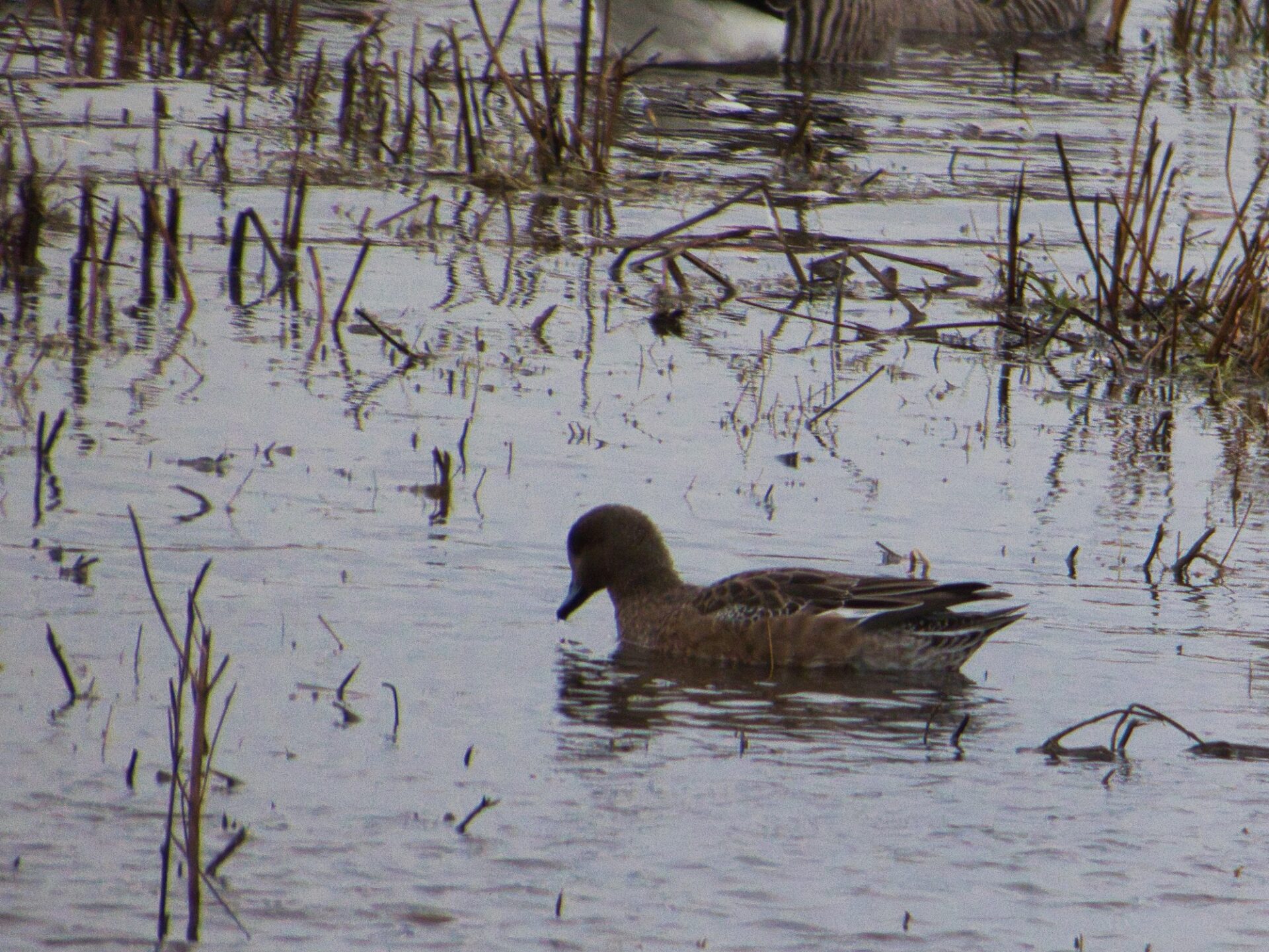
Mallard 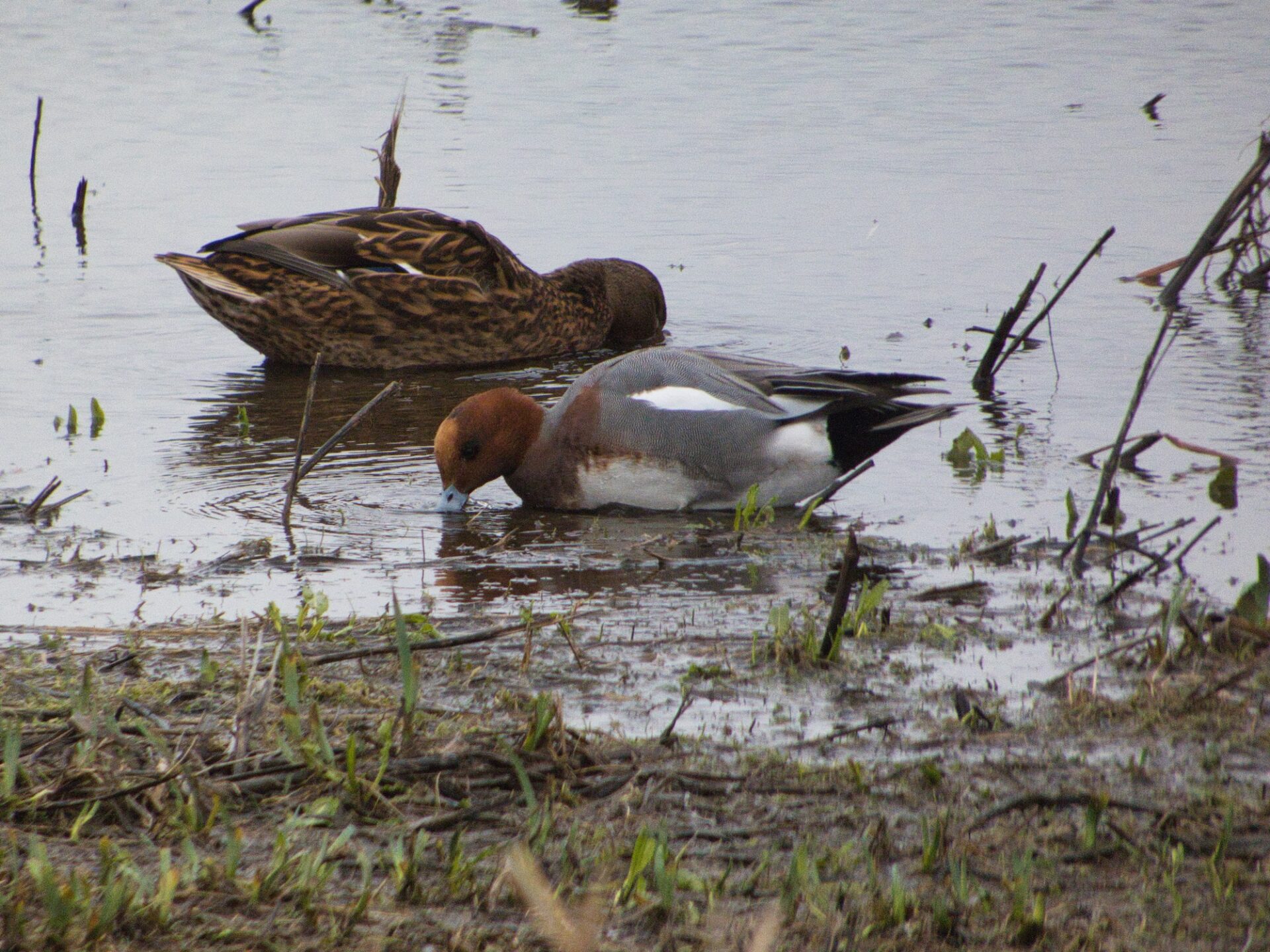
Pochard Shelduck 
Pochards Hybrid potchard Heron 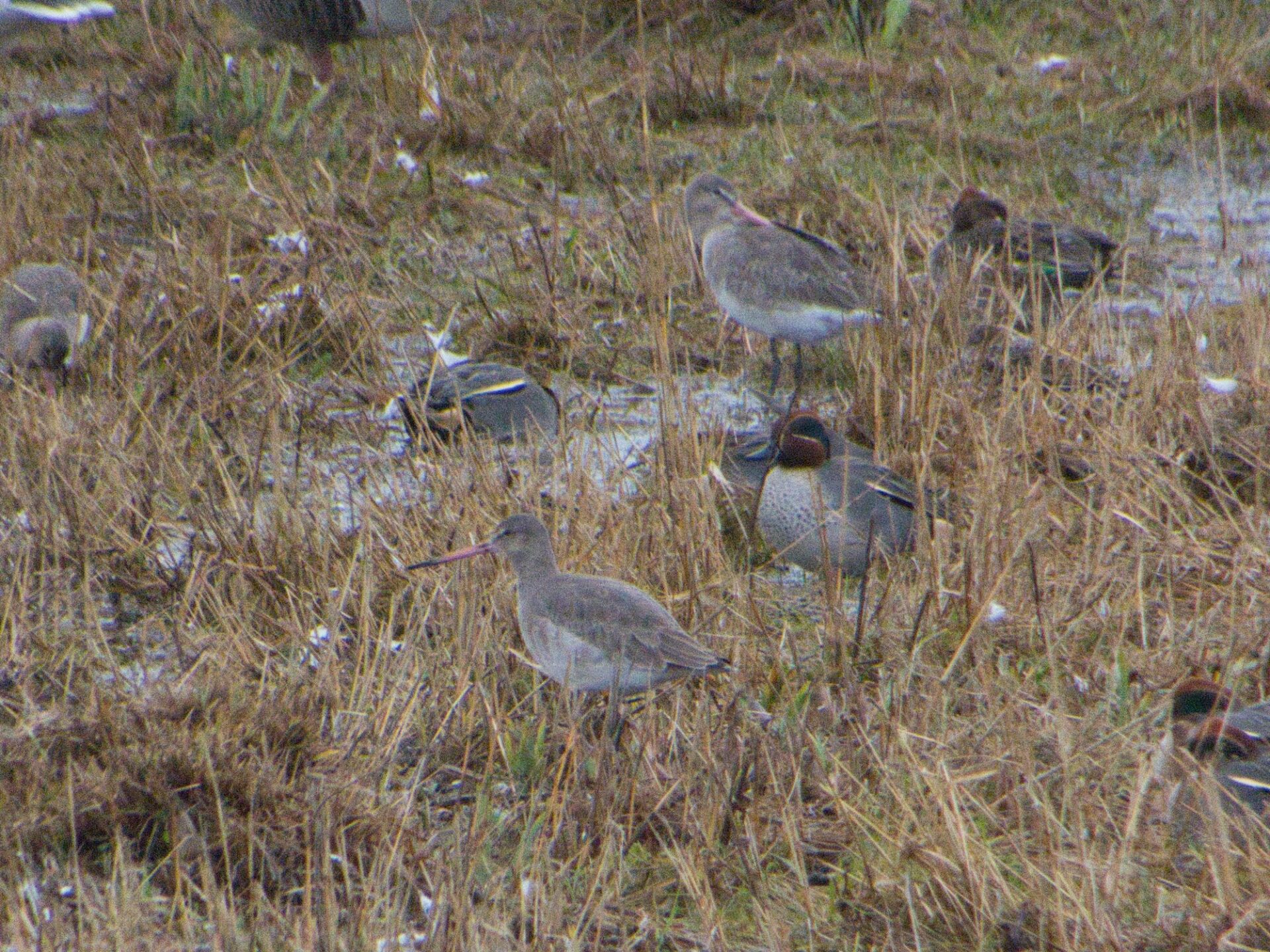
Godwits 
Godwit and lapwing 
Godwit